
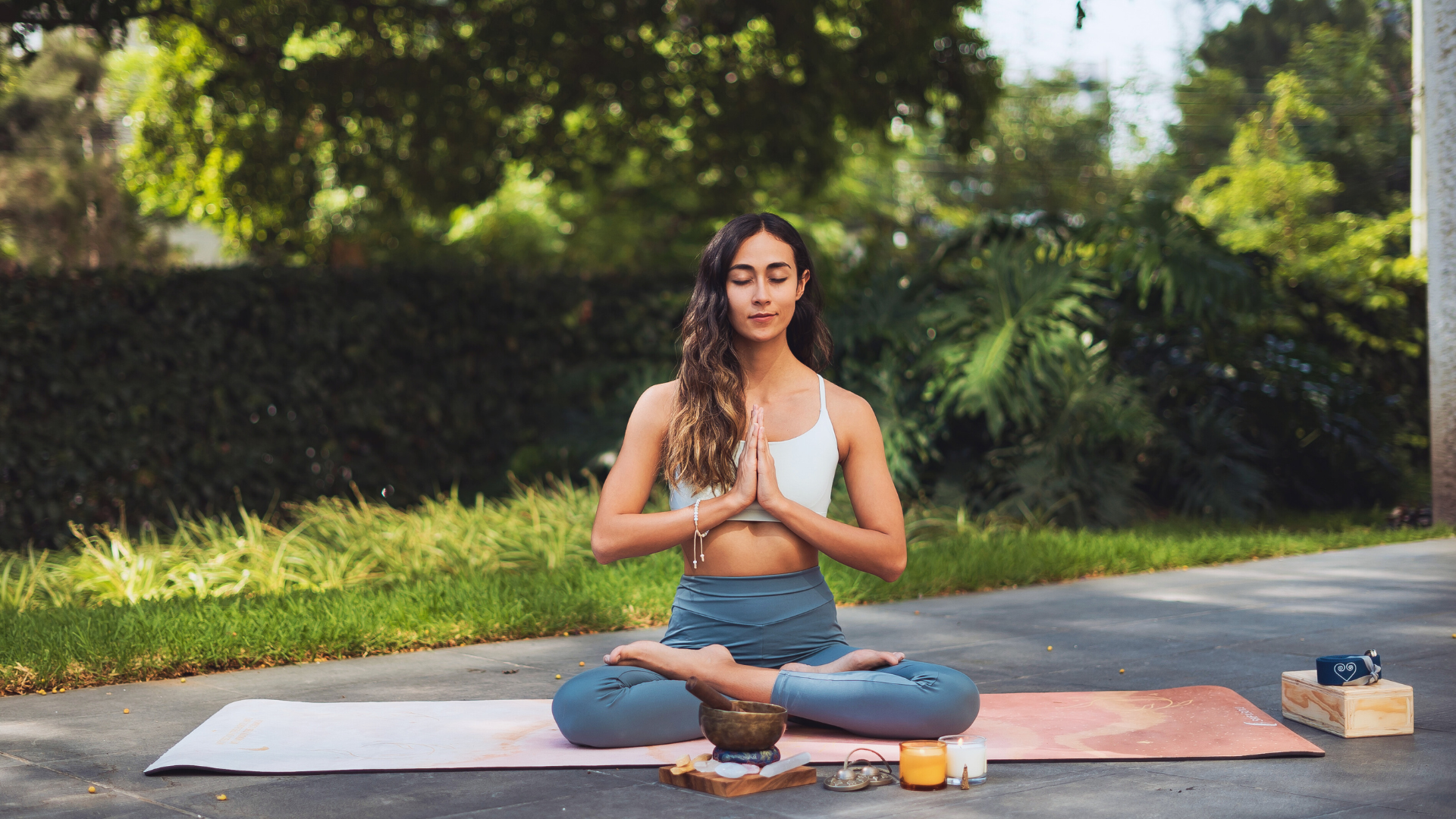
The concept of slow living invites individuals to embrace a more mindful and intentional way of life. By prioritizing quality over quantity, slow living encourages a deeper connection to daily experiences and fosters a sense of well-being. This approach stands in contrast to the fast-paced nature of modern society, offering an alternative that many find liberating.
At its core, slow living promotes simplicity and the appreciation of life’s small joys. It encourages a deliberate pace, allowing one to savor moments that often go unnoticed. Those who adopt this lifestyle often report increased satisfaction, improved mental clarity, and reduced stress.
Exploring the art of slow living can lead to transformative changes in daily routines and overall perspectives. Engaging with this philosophy invites individuals to reassess their priorities and find fulfillment in the present.
Understanding the Art of Slow Living
Slow living emphasizes the importance of intentionality and mindfulness in daily choices. It fosters a lifestyle focused on simplicity, quality, and a deeper connection to life’s experiences.
Defining Slow Living
Slow living is a lifestyle choice that prioritizes well-being over the relentless pace of modern life. It advocates for a mindful approach, where individuals engage deeply with their surroundings and activities. This philosophy promotes savoring moments rather than rushing through them.
At its core, slow living encourages individuals to focus on what truly matters, fostering a sense of peace and fulfillment. This intentional lifestyle often leads to a more content existence.
Core Principles of Slow Living
The core principles of slow living include simplicity, mindfulness, and quality over quantity.
- Simplicity involves decluttering both physical spaces and mental load, allowing for more clarity and focus.
- Mindfulness encourages individuals to be present in the moment, appreciating the richness of everyday experiences.
- Quality over Quantity emphasizes meaningful engagement, whether in relationships, food choices, or leisure activities.
These principles guide individuals in reducing stress, deepening relationships, and enhancing overall life satisfaction.
The Origins and Evolution of the Slow Living Movement
The slow living movement originated in the late 1980s as a response to the fast-paced lifestyles fueled by industrialization and consumerism. It draws inspiration from various cultural practices that value time and community.
The term gained momentum with the establishment of slow food initiatives, which advocated for locally sourced, sustainable food. Over time, this concept evolved to encompass other lifestyle aspects, such as work-life balance and mindful consumption.
Today, slow living resonates with many searching for relief from burnout, fostering a community that values intentional living and sustainable practices.
Fundamental Benefits of Slow Living
Slow living offers various advantages that contribute to mental and emotional well-being, foster meaningful connections, enhance productivity, and improve physical health. Embracing this lifestyle allows individuals to experience life more fully and engage in deeper, more authentic ways.
Improved Mental and Emotional Well-Being
Adopting a slow living approach can significantly enhance mental health. By prioritizing time for self-care and mindfulness, individuals may experience reduced stress and anxiety levels.
Engaging in slower, more intentional activities such as meditation or journaling helps to foster self-reflection. This contributes to emotional resilience by promoting a greater understanding of one’s thoughts and feelings.
Moreover, less hurried days allow for greater presence in daily tasks. Individuals report feeling more satisfied and grounded, leading to improved emotional balance and well-being.
Strengthening Meaningful Connections
Slow living encourages deeper relationships by promoting quality over quantity. When individuals slow down, they often prioritize meaningful interactions with family and friends.
This approach facilitates genuine conversations and shared experiences, which can strengthen bonds. Engaging in activities like shared meals or community involvement creates opportunities for connection.
Alongside enhanced communication, individuals become more attuned to their loved ones’ needs and emotions. This increased empathy often results in lasting and more fulfilling relationships.
Boosting Productivity and Focus
Contrary to common misconceptions, slow living can actually boost productivity. By taking a measured approach to tasks, individuals may find they can focus better and produce higher-quality work.
Reducing distractions is a key element of slow living. Individuals learn to set boundaries and allocate time wisely, which leads to improved mental clarity.
With a renewed focus on the present, individuals often accomplish tasks more efficiently. This deliberate approach allows them to enjoy the fruits of their labor without feeling overwhelmed.
Enhancing Physical Health
The benefits of slow living extend to physical well-being, too. When individuals take the time to prioritize health, they often make better dietary choices and incorporate regular exercise into their lives.
Mindfulness practices associated with slow living can lead to improved sleep quality. A well-rested body functions better, which may contribute to a stronger immune system.
Additionally, slow living often promotes a balanced lifestyle with time for relaxation and recreation. Engaging in leisure activities can reduce the risk of burnout and lead to overall improved health outcomes.
Strategies for Embracing a Slow Living Lifestyle
Embracing a slow living lifestyle requires intentional choices that prioritize mindfulness and presence. Specific strategies can enhance one’s experience, allowing for deeper connections to self and surroundings, as well as a more fulfilling approach to everyday life.
Cultivating Mindfulness and Presence
To cultivate mindfulness, one must practice being fully engaged in the moment. Techniques such as meditation can provide a foundation for this. Regular meditation sessions, even if brief, help in grounding thoughts and reducing distractions.
In addition to meditation, incorporating mindful breathing exercises during daily activities can reinforce presence. This might involve focusing on the breath while walking or performing routine tasks.
Journaling can also be effective. By reflecting on daily experiences and feelings, individuals can foster a greater understanding of their thoughts and behaviors, leading to improved emotional well-being.
Setting Intentions and Priorities
Setting clear intentions is vital for a slow living lifestyle. This involves defining what’s truly important in one’s life. It could include prioritizing family time, self-care, or creative pursuits. By identifying these core values, individuals can make conscious decisions that align with them.
Creating a weekly plan can assist in balancing priorities while ensuring time for relaxation and reflection. Allocating specific days or hours for different activities helps in maintaining focus on what matters most.
It’s essential to regularly assess these intentions to ensure they remain relevant. Adjusting them as life changes can help maintain alignment with personal goals and desires.
Discovering Joy in Simple Pleasures
Finding joy in simple pleasures can significantly enhance one’s quality of life. Simple practices such as enjoying a cup of tea, taking a leisurely walk, or reading can provide fulfillment.
Engaging in activities that connect one to nature, like gardening or hiking, can also evoke a sense of peace. These moments often lead to a deeper appreciation for the beauty that surrounds us.
Gratitude practices can enhance this experience. Keeping a gratitude journal, where individuals note what they are thankful for each day, helps in shifting focus from what is lacking to what is abundant.
Embracing Tech-Free Time
In today’s digital age, embracing tech-free time is crucial for slow living. Allocating periods during which devices are turned off can lead to deeper connections with oneself and others.
During tech-free moments, individuals can engage in activities such as reading, crafting, or spending quality time with family and friends. This reduction in screen time allows for reflection and a break from external stimuli.
Creating tech-free zones, like in the bedroom or during meals, fosters an environment conducive to mindfulness. This encourages being present with thoughts and emotions rather than being distracted by notifications or online content.
Slow Living in Practice: Habits and Communities
Adopting slow living involves integrating habits that promote mindfulness, sustainability, and intentionality. Communities play an essential role in reinforcing these practices, providing support, and fostering a shared commitment to slower, more meaningful lifestyles.
Minimalism and Decluttering for Clarity
Minimalism emphasizes reducing clutter to enhance clarity and focus. This practice involves evaluating possessions and letting go of items that do not serve a purpose or bring joy.
Key steps include:
- Assessing belongings: Regularly review items and determine their necessity.
- Creating designated spaces: Assign specific areas for essential items to prevent a buildup of unnecessary things.
- Practicing the “one in, one out” rule: This helps maintain balance and ensures that new items do not contribute to clutter.
Implementing these strategies can lead to a more organized living space and a clearer mind.
Practicing Mindful Consumption
Mindful consumption encourages individuals to make deliberate choices regarding their purchases. This involves understanding the impact of those choices on personal well-being and the environment.
Effective practices include:
- Researching brands: Supporting companies that prioritize ethical practices and sustainability.
- Favoring quality over quantity: Investing in durable goods instead of fast fashion or disposable items.
- Reflecting on needs versus wants: Taking time before purchases to consider their necessity.
Adopting these habits can significantly reduce waste and create a more sustainable lifestyle.
Sustainable and Eco-Friendly Living
Sustainable living focuses on reducing environmental impact by making eco-friendly choices. This can cover various aspects of life, from daily habits to larger lifestyle changes.
Key eco-friendly practices include:
- Reducing energy consumption: Utilizing energy-efficient appliances and practices.
- Opting for public transportation: This minimizes the carbon footprint associated with travel.
- Composting and recycling: Diverting waste from landfills and enriching the soil.
Commencing these actions fosters a deeper connection with the environment and supports slow living principles.
Exploring the Slow Movement: Food, Fashion, and Travel
The slow movement encompasses various practices promoting mindful approaches to life. Slow food, slow fashion, and slow travel exemplify this ethos.
- Slow food: Focuses on sourcing local, organic ingredients and prioritizing cooking meals from scratch.
- Slow fashion: Encourages investing in timeless, well-made clothing instead of fast fashion cycles.
- Slow travel: Advocates for immersive travel experiences that facilitate connections with local cultures and environments.
Engaging with these principles not only enriches individual experiences but also contributes to larger sustainable practices.
Leave a Reply